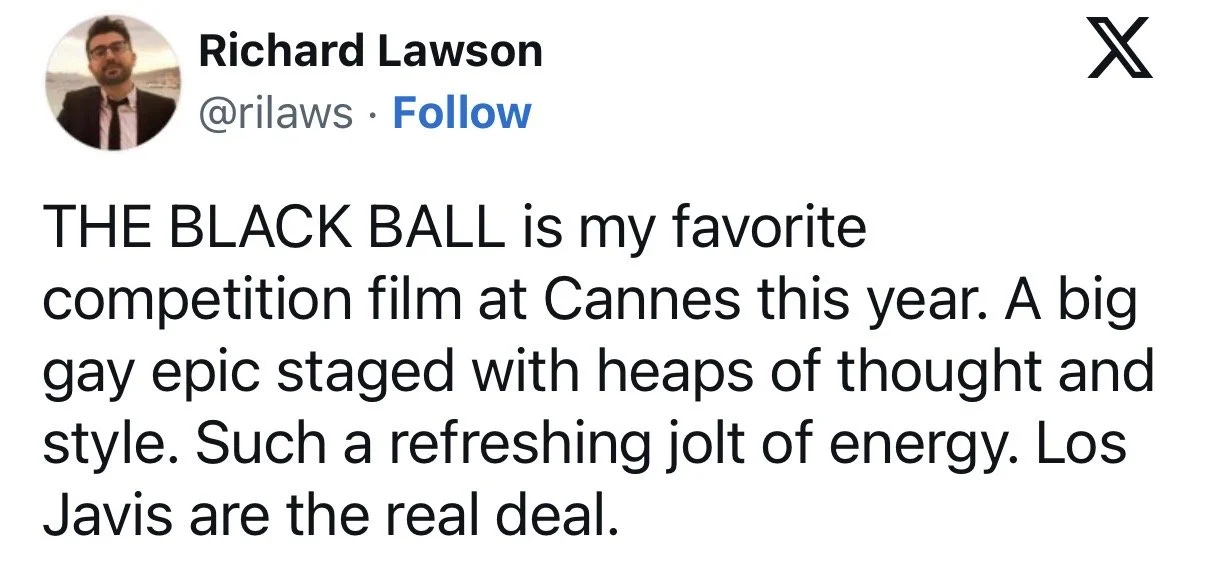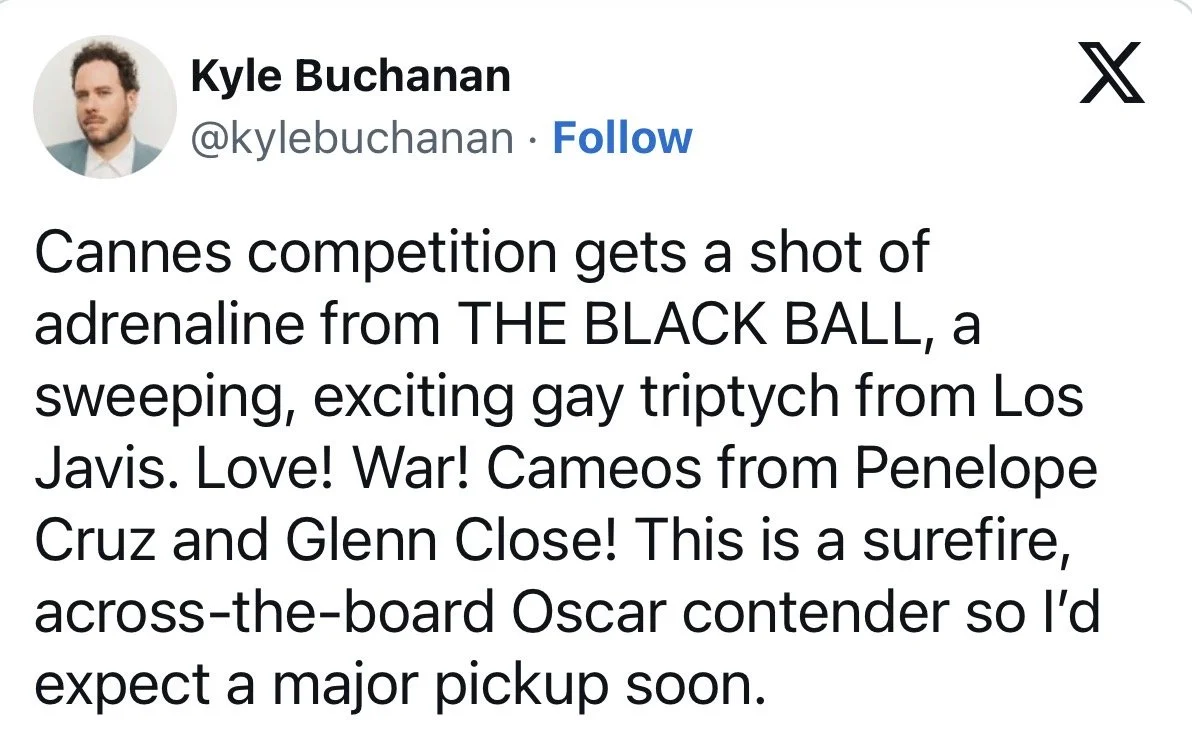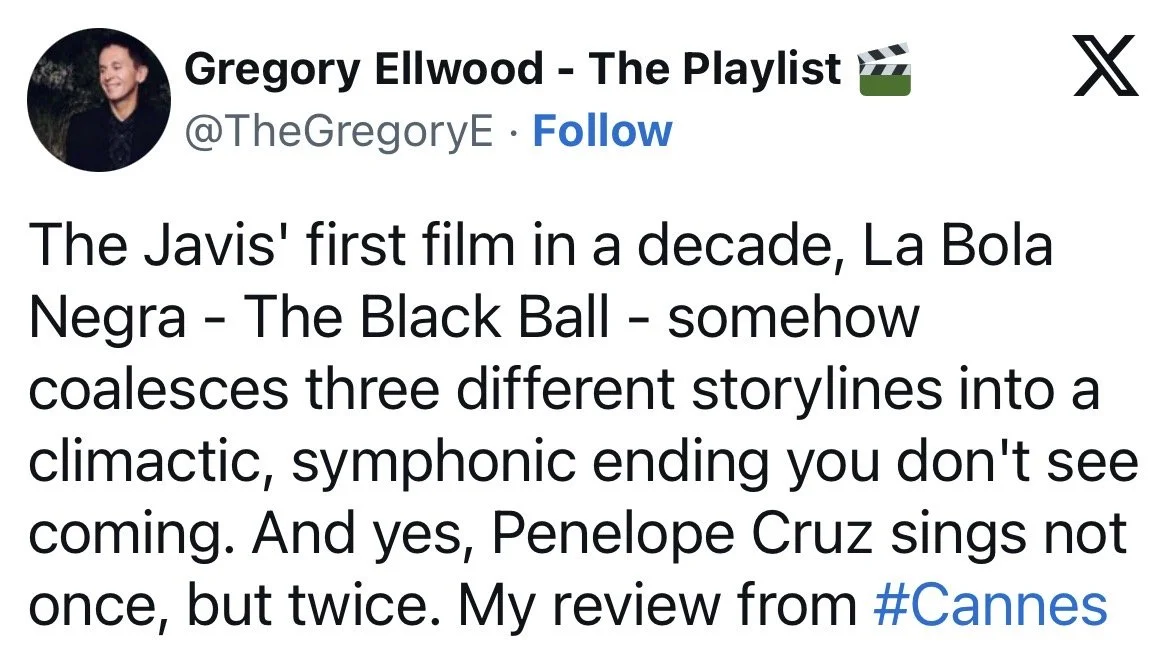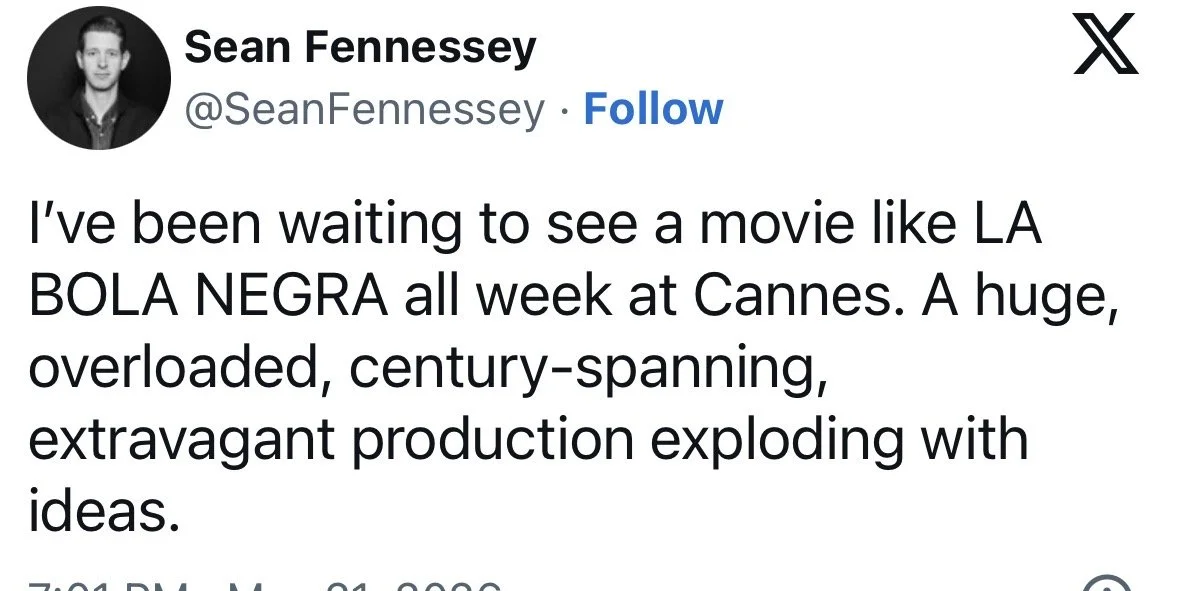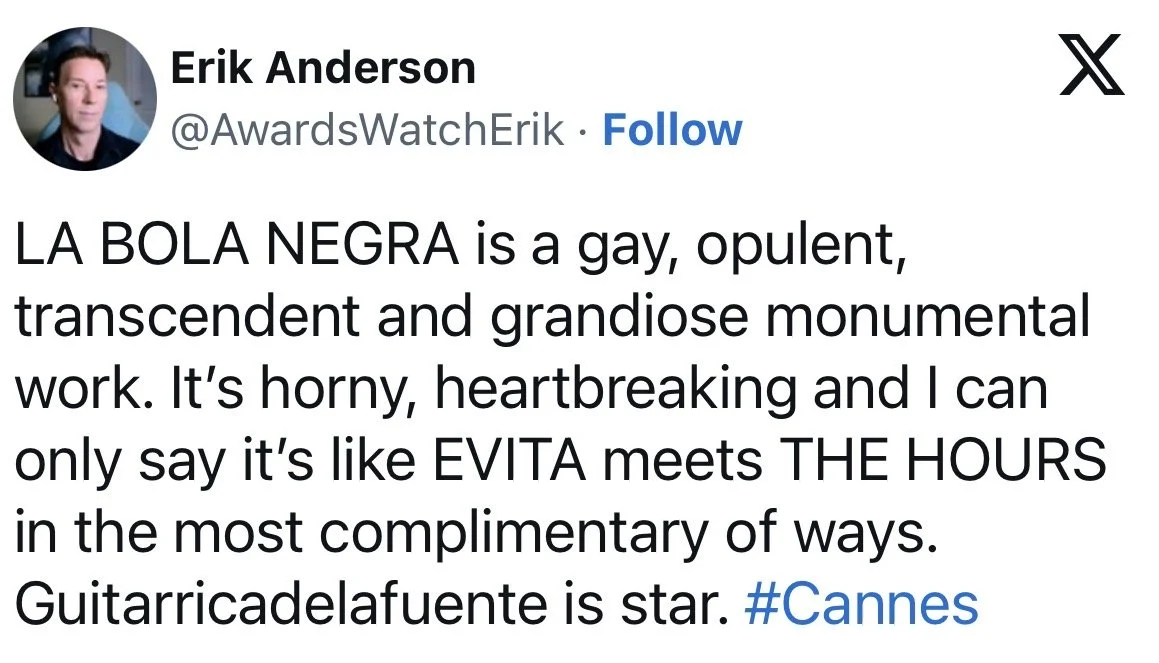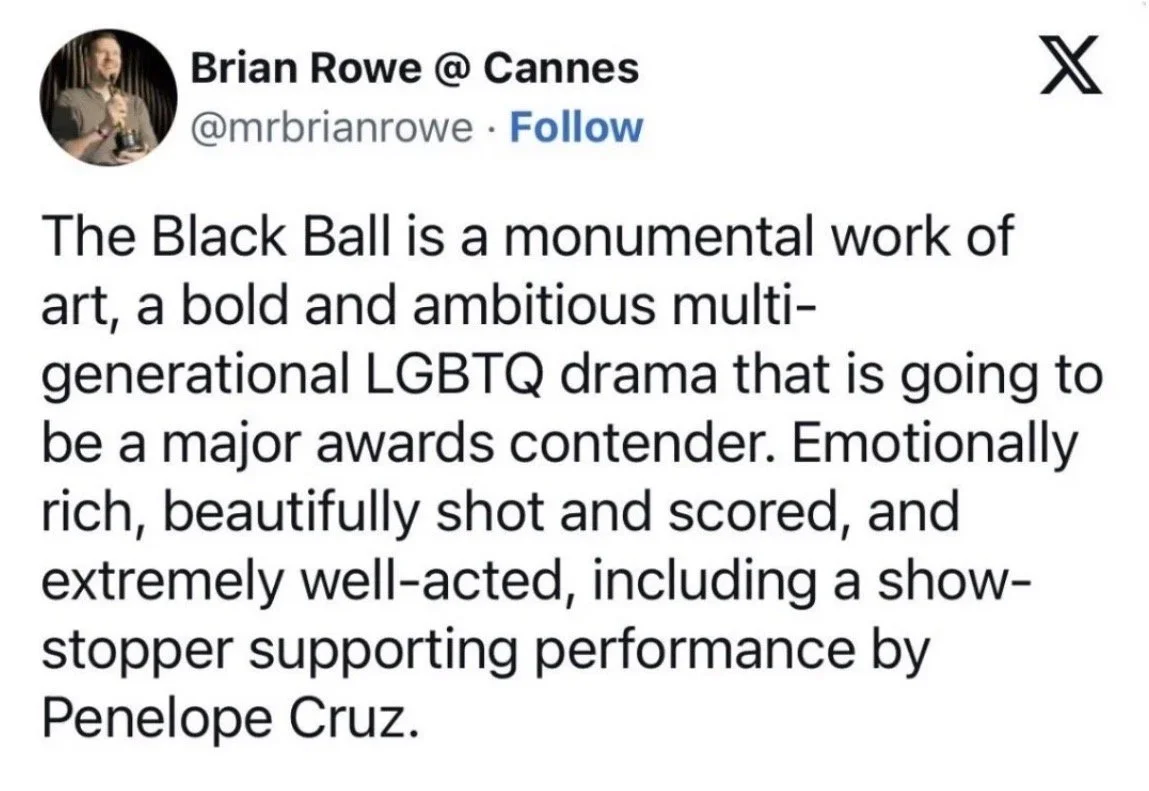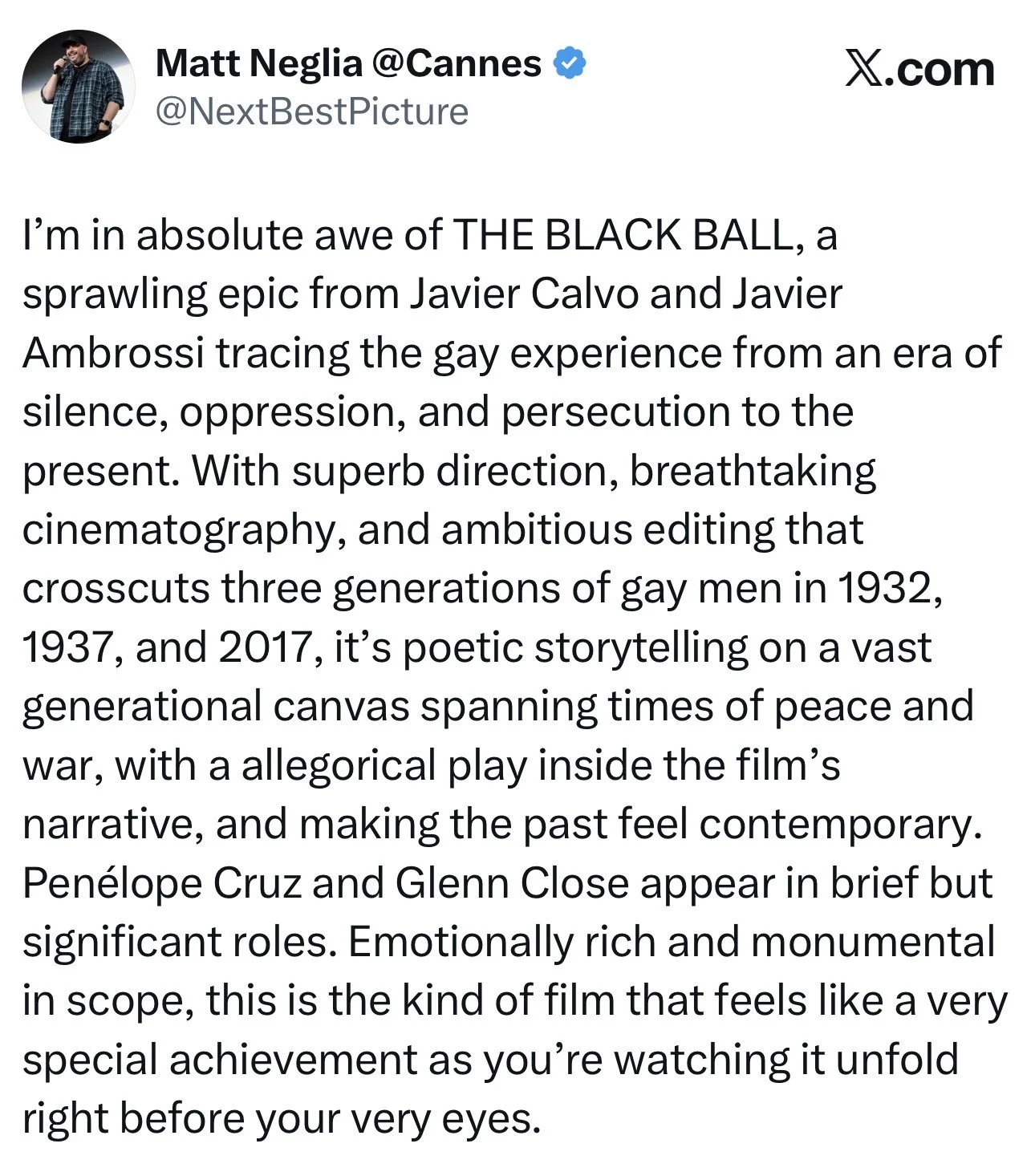


Stop the presses! The Oscar blogging contingent here at Cannes is already crowning Javier Calvo and Javier Ambrossi’s “The Black Ball” the Palme d’Or frontrunner. I hate to say it — but maybe it is. There’s certainly a push now going for it.
Forget about people calling this a weak Cannes competition; it wasn’t. You just had many good-to-great movies that didn’t fit the Oscar criteria, a phenomenon that’s only really emerged at Cannes in recent years.
“The Black Ball” fits the bill — it plays like Weinstein-era Oscar bait; think “The Hours,” but gay and Spanish. Fine, it’s not just the Oscar bloggers. Variety’s Guy Lodge and Screen’s Lee Marshall might be mixed on it, but others — THR, The Guardian (4/5) and Indiewire (not Ehrlich) — are flat-out raves. Don’t be surprised if it garners the loudest standing ovation after the premiere.
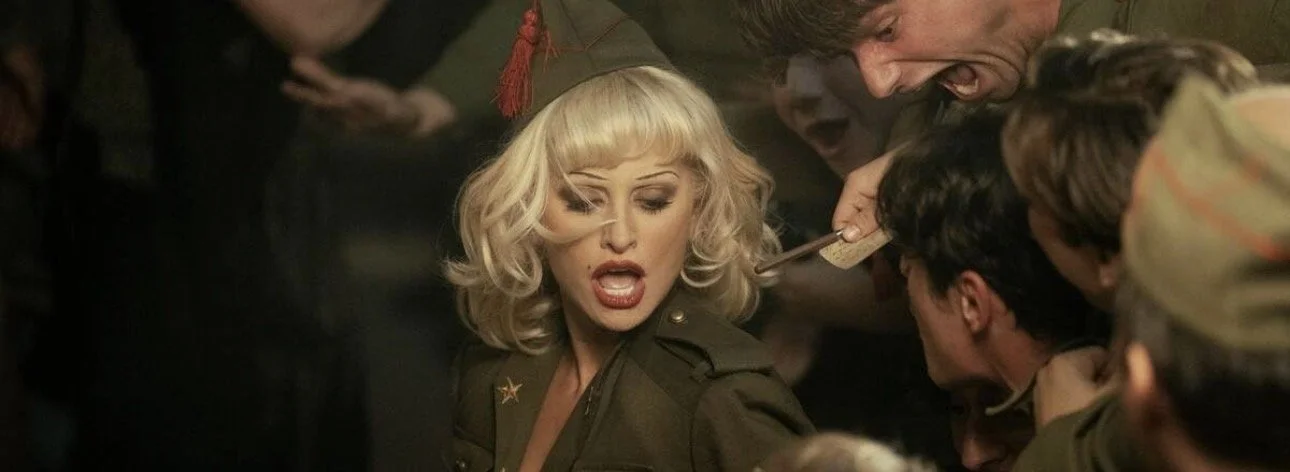
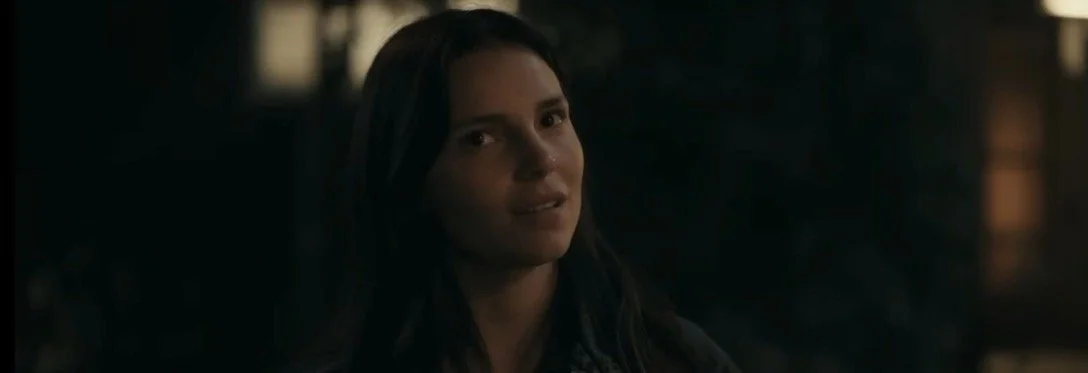
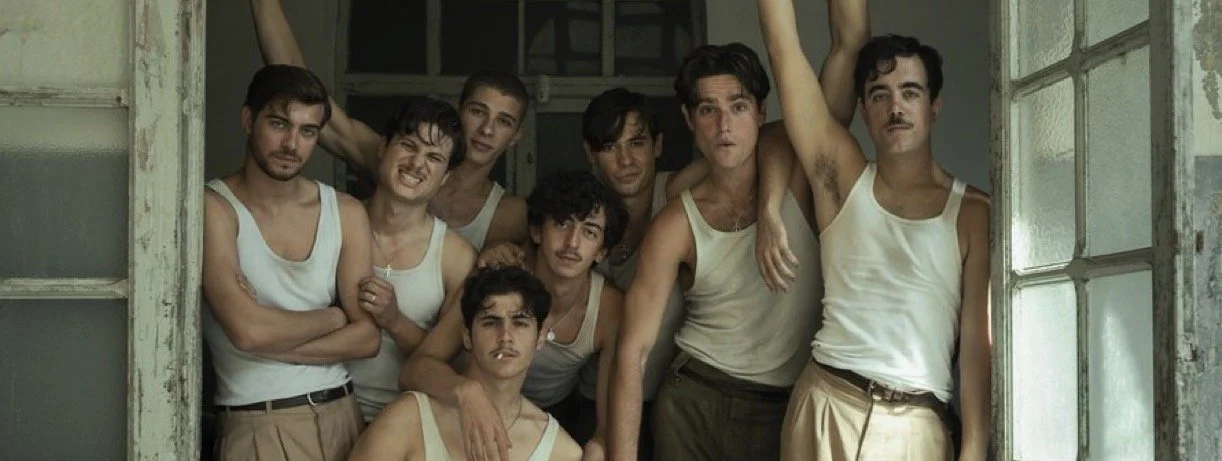
“The Black Ball” is this ambitious but madly uneven drama that blends historical fiction, queer melodrama, and meta-literary adaptation. Inspired by Federico García Lorca’s unfinished work of the same name, the film imagines interconnected stories across three timelines—1932, 1937, and 2017—each centered on gay men whose lives are shaped or constrained by social repression and historical circumstance. The result aims for a sweeping, poetic meditation on queer memory and inheritance, but often leans into heavy-handed, schematically arranged storytelling.
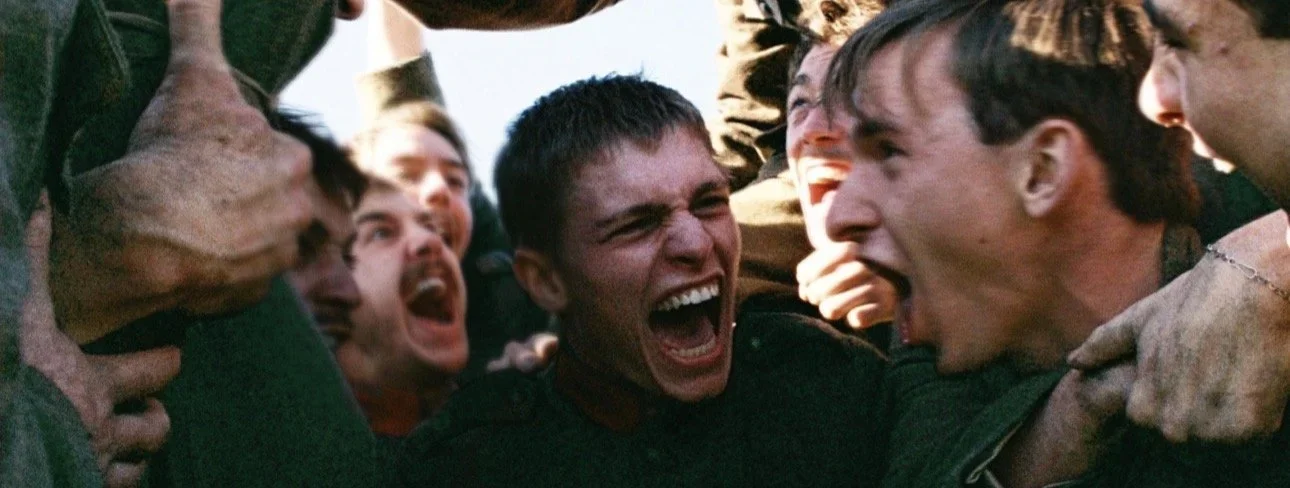
In 1932, a young upper-class man named Carlos is rejected from a casino after his homosexuality is suspected; in 1937, during the Spanish Civil War, a displaced trumpeter named Sebastián survives violence and joins the Nationalist army, where he forms a fragile, emotionally charged bond with Rafael; and in 2017, a gay historian named Alberto in Spain navigates personal grief and family estrangement while uncovering hidden queer history in his lineage.
Across all three timelines, the film attempts to unify its stories through a shared sense of suppressed desire. It is maximalist storytelling, with well-intentioned emotional reach, but it sacrifices subtlety for total and utter grandeur.
I’ll be right here, sitting in the corner, waiting for the hype on this one to deflate — unless, of course, Park Chan-wook and his jury also took the bait.