
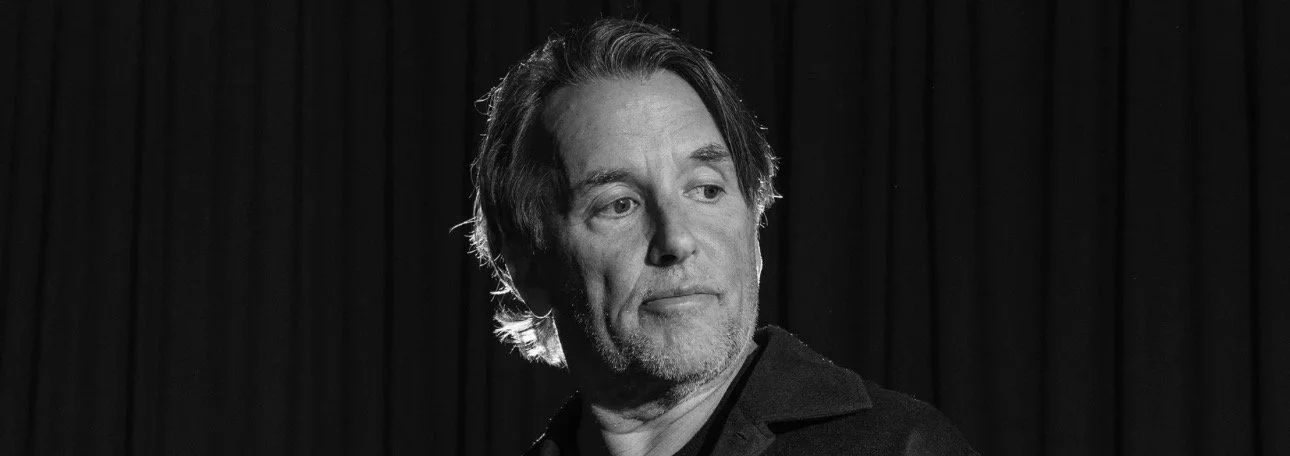
Coming into tonight’s ceremony, Richard Linklater’s “Nouvelle Vague,” a love letter to the French New Wave, led the 51st César Awards nominations with 10 nods.
Suffice it to say, “Nouvelle Vague” ended up winning four categories, including Best Director for Linklater, making him the first American-born filmmaker to win in that category. Just so we’re keeping score: Linklater now has a César trophy to his name—and still no Oscar.
Shot in black and white, “Nouvelle Vague” was picked up by Netflix at last summer’s Cannes Film Festival and even made the shortlist to represent France at the Oscars, but the French selection committee ultimately chose Jafar Panahi’s “It Was Just an Accident.”
Sadly, “Nouvelle Vague” didn’t win Best Film tonight, nor did Panahi’s film, which was also nominated. Instead, in what many saw as a surprise, Carine Tardieu’s “L’attachement” took the top prize. Tardieu’s film, which world-premiered in Venice in 2024, stars Valeria Bruni Tedeschi and Pio Marmaï and tells the story of a shy bookseller who becomes a vital figure to a grieving family living next door.
Léa Drucker took home the Best Actress award for her role in Dominik Moll’s “Case 137,” a procedural drama set during the recent yellow vest protests in Paris. Laurent Lafitte won Best Actor for his work in “The Richest Woman in the World.”
It should also be mentioned that Paul Thomas Anderson’s “Once Battle After Another” won the César Award for Best International Feature, beating Joachim Trier’s “Sentimental Value,” Oliver Laxe’s “Sirat,” Kleber Mendonça Filho’s “The Secret Agent,” and Guan Hu’s “Black Dog.”
The general sentiment seems to be that this was not one of the more impressive Best Film lineups of recent editions—France had a rare off year in terms of standout cinema in 2025. Here’s hoping 2026 brings stronger titles from one of the most important filmmaking markets in the world.