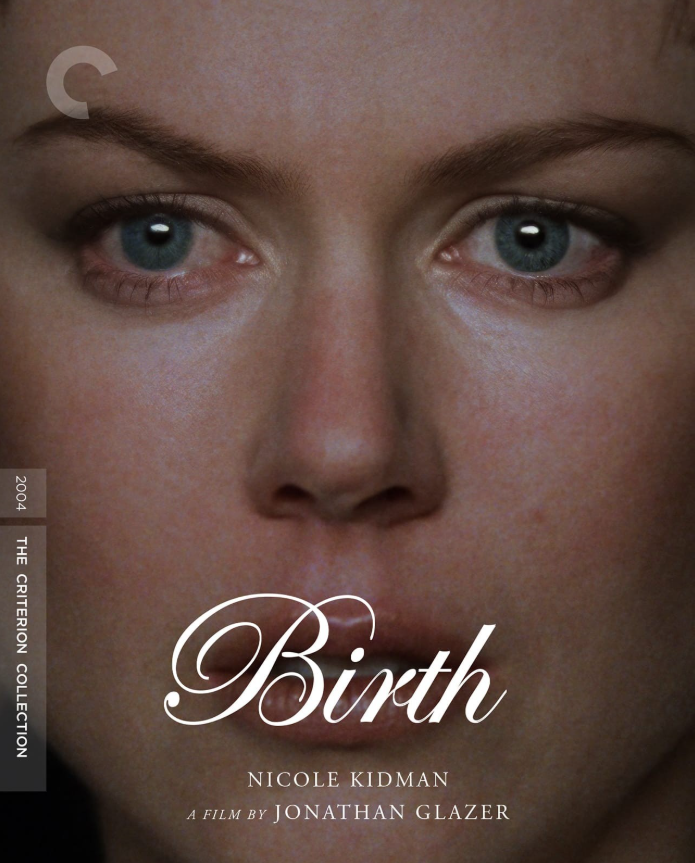





When Jonathan Glazer’s “Birth” opened in 2004, it was met with terrible reviews (it’s still at 41% on Rotten Tomatoes)—an almost uncomfortable resistance. Critics, audiences, and culture at large seemed unsure what to do with it. How could something so elegant, so exacting, so modern, be so cold?
However, time has done what the initial reception could not. Glazer’s film has been steadily reappraised, scene by scene, frame by frame, and now—with its newly announced release on Criterion—it’s being restored to the conversation it always belonged in. The film is a masterpiece.
That haunting atmosphere. The enigmatic storytelling. The film’s dreamlike feel, aided by cinematographer Harry Savides’ lush frames, is what has made it such a lasting work of art.
At its core, “Birth” is a story of grief so intense it bends reality. Nicole Kidman’s Anna continues to mourn her husband, who died while jogging in Central Park. She’s finally preparing to move on, engaged to be married again, when a boy appears at her engagement party claiming to be her dead husband reincarnated. She laughs at first, of course, but as the boy’s calm certainty collides with her fragile emotional state, something gives way.
Glazer’s genius is to keep everything poised between the literal and the psychological. He never tips the film into fantasy or explains its mysteries away. Instead, “Birth” sits in that tense, disquieting, almost Kubrickian space where emotion begins to blur perception. It’s a modern ghost story, but the ghost isn’t the boy; it’s Anna’s grief.
Kidman, in one of the most daring performances of the 21st century, embodies that grief with a precision that still startles on rewatches. There’s a single-take close-up of her in the opera house, processing a storm of conflicting feelings, that might be one of the defining images of 21st-century acting.
Part of why “Birth” was dismissed initially is precisely what makes it so extraordinary now: its refusal to conform. Glazer has always done that. It just took time for many to catch on. It’s a studio-backed movie with the rhythm and stillness of a European art film. It flirts with the occult but never becomes supernatural or horror. It’s elegant and unsettling in equal measure. Simply put, no one else in Hollywood was making films like this in 2004, and few are even now.
The Criterion release is a cultural corrective. It gives a neglected masterpiece its rightful place in the canon. For those who’ve never seen it, this will be the perfect time to experience “Birth,” one of the greats of the 2000s. Now, finally, Criterion is making it a little harder to ignore. See it when it gets released in January and ask yourself how anyone ever got away with making a film like this.